www.slideshare.net
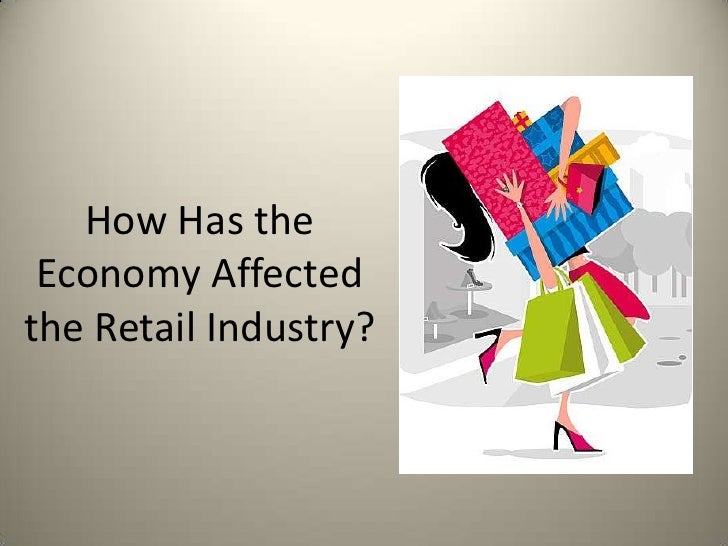
When people buy clothes they are thinking what’s the hottest trend and what is the most popular, but in reality they are just going along with the state of the economy. Whenever I go to the mall to buy things I never think about the economy, I just buy what I like, but after reading this article titled “Economy Of Fashion: How Different Trends Reflect The Financial State” written by Gillian Fuller I, I gained a whole new perspective on how the economy shapes fashion trends.
Although I haven’t been around for any big economic crisis like the Great Depression, I have still seen the poor economy take a toll on stores and fashion trends. Many people have lost their jobs due to the poor economy, like my uncle for example, and because he and thousands of other people lost their job they will not be splurging on clothing which affects the fashion trends and fashion cycle. “As FIT professor John Mincarelli tells ABC News, “In tough economic times, people shop for replacement clothes,” adding “basics” prevail during an economic downturn.” I noticed this with my uncle because he started to wear more basic clothing and avoided expensive brands like he usually wore, he now shopped for essentiels instead of luxe things. This in turn affects the fashion trends because if a huge amount of people have lost their job and want to spend their scarce dollars on essentiel basic clothing, then the stores and designers will pick up on that trend and start selling more essentiel cheaper clothing. For example, Forever 21 is a popular inexpensive trendy store that has a whole section titled “basics”. This section is all under $15 and has essentiel cheap items like plain white tee shirts or different colored tank tops. This “basics” clothing idea has sparked a new trend in the last 5 years and is heavily affecting stores fashion trends all around.

www.forever21.com
The economy has been influencing fashion ever since the industry was created. The article I read talks about all of the different affects the economy had on fashion trends through history, it says “ Economist George Taylor was the first to notice the correlation between fashion and the economy; he developed the “Hemline Theory” to describe his findings. In the 1920s, he noticed hemlines became shorter as a way for women to show off their silk stockings. Once the market crashed, longer skirts became de rigueur. Why? Because longer skirts allowed women to hide that they weren’t wearing— and couldn’t afford — stockings.” I find this fascinating that by looking at such a small thing like the hemline of a skirt you are able to see that economics has influenced fashion trends.
Before reading this article I thought that the majority of fashion trends were influenced and created by celebrities, but now I have learned that the economy plays a huge role in determining the fashion trends for the season.
Future Research: For my next blog post I will be exploring cultures all around the world and how they affect fashion trends.
Future Research: For my next blog post I will be exploring cultures all around the world and how they affect fashion trends.

No comments:
Post a Comment
Note: Only a member of this blog may post a comment.